






World Heart Day: Uttarakhand Ayurveda Expert Dr. D.K. Srivastava Advocates Integrative Cardiology in Belgium Workshop
 Republic UK
2 min read
Republic UK
2 min read

Rishikesh
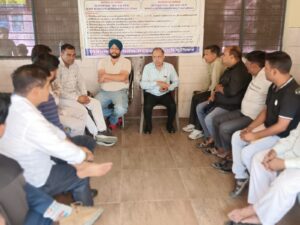
On the occasion of World Heart Day, an international workshop was organized in Ghent, a historic city in Belgium, Europe. Organized by Maharishi Mahesh Yogi’s Meditation Group, the event was attended by doctors, alternative healers, and scientists from across Europe. From this global platform, Dr. D. K. Srivastava, an international Ayurveda expert from Uttarakhand, delivered an important scientific message on integrating Ayurveda with modern cardiology. Addressing European health experts, Dr. Srivastava emphasized that protecting the heart requires more than just medication; it relies on a combination of proper diet, regular activity, mental balance, adequate sleep, and timely modern medical care. The heart is not merely an organ that pumps blood—it is deeply connected to our physical health, mental stress, consciousness, and Ojas (vital energy). He clarified that the primary objective of Ayurveda is to preserve healthy living, and combining Ayurvedic insights with modern cardiology can prove to be most beneficial for patients.
Herbs Are Not an Alternative to Modern Medicines and Surgical Treatments
Emphasizing the scientific application of Ayurveda, Dr. Srivastava stated that Ayurvedic treatment should be viewed as “supportive or integrative care.”
Precaution for Stent and Bypass Patients: He warned that herbal remedies like Arjuna, Ashwagandha, or Guggulu are not substitutes for procedures to open blockages, nor are they replacements for medications like aspirin and statins prescribed after a stent or bypass surgery.
Drug-Herb Interaction: Heart patients should never consume any herbs alongside modern prescription drugs without consulting a doctor, as this can lead to risks such as bleeding or blood pressure fluctuations.
Path to 100 Years of Disease-Free Life: Diet, Yoga, and Stress Management
During the workshop, Dr. Srivastava explained that the principles of Ayurveda are designed to keep a person healthy for a hundred years. To achieve this, maintaining a balance among the body’s three doshas (Vata, Pitta, and Kapha) and ensuring optimal digestive fire (Agni) are essential.
Key Pillars of Heart Protection
Cardiovascular Nutrition: Increase the intake of fresh vegetables, seasonal fruits, whole grains, lentils, and nuts. Completely avoid excessive salt, sugar, processed foods, and trans fats. Diets for patients suffering from diabetes or kidney disease should be customized individually.
Mental Balance and Meditation: Mind-control techniques, such as Transcendental Meditation, reduce stress, keeping the heart happy and healthy.
Physical Activity and Yoga: Anulom-Vilom (alternate nostril breathing), gentle yoga postures, and regular walking are excellent for heart health. However, in conditions like an acute heart attack or unstable angina, yoga or exercise should not be initiated without medical consultation.
In conclusion, he conveyed that protecting the heart is not a one-day resolution, but the result of daily healthy habits: eat right, walk regularly, get sufficient sleep, and keep stress under control.